
In America it was the Gilded Age, in the United Kingdom it was the Victorian era and in France it was La Belle Époque.

Dahlings, Welcome to the 1880’s
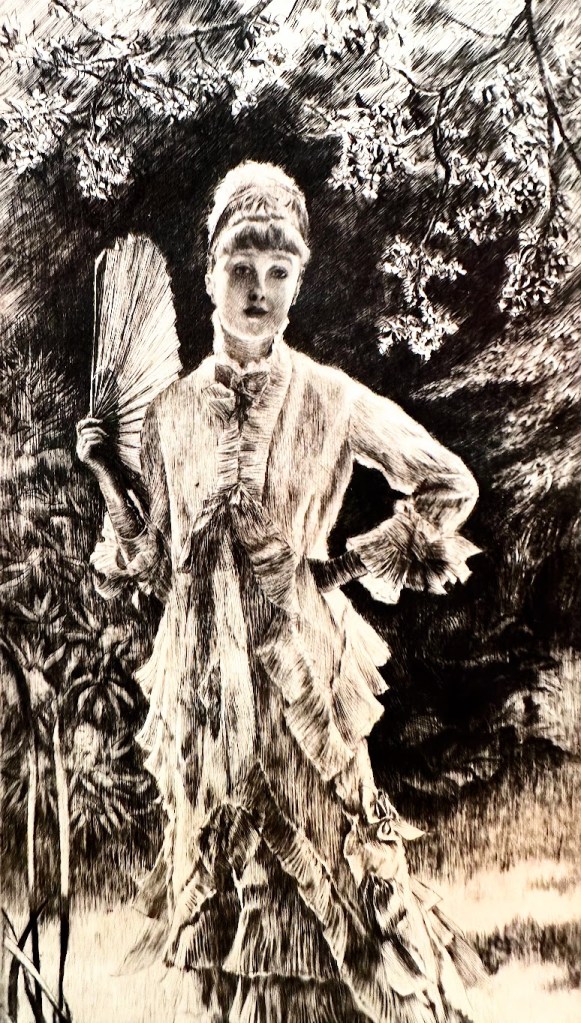
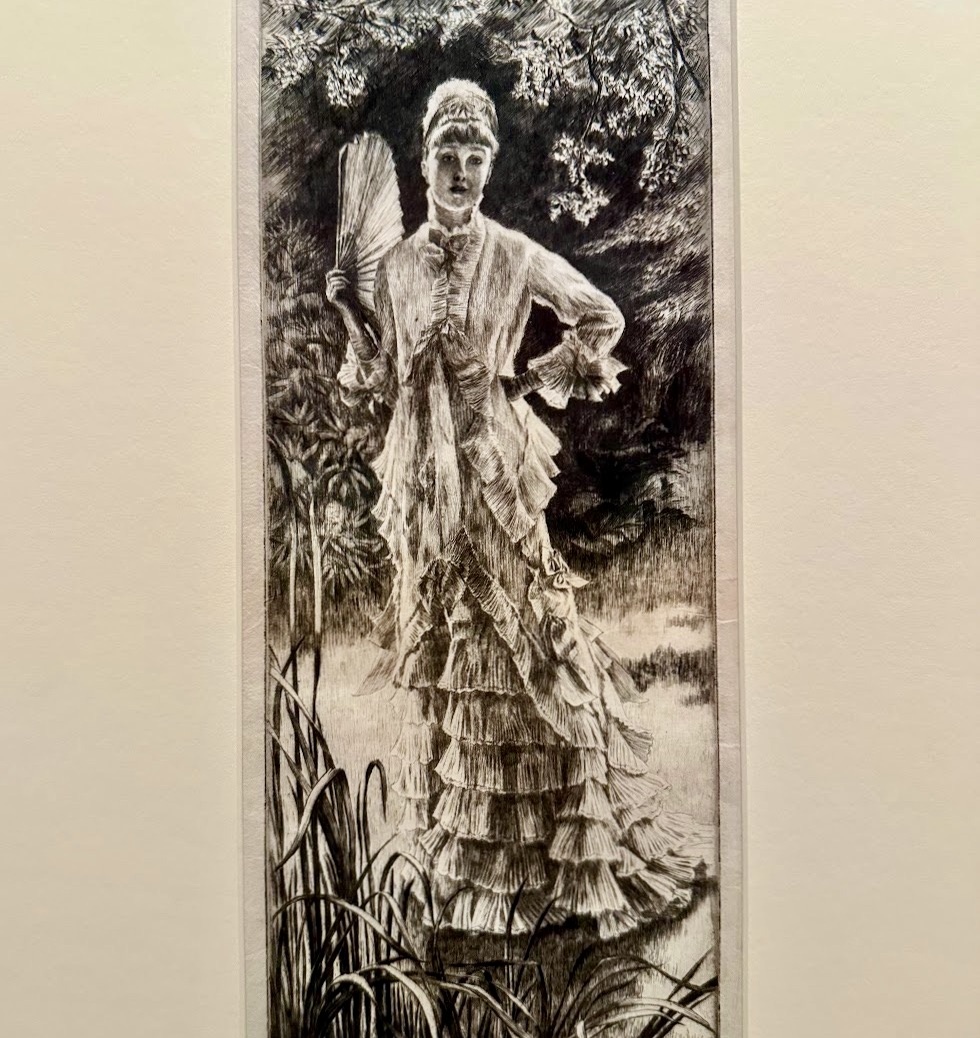
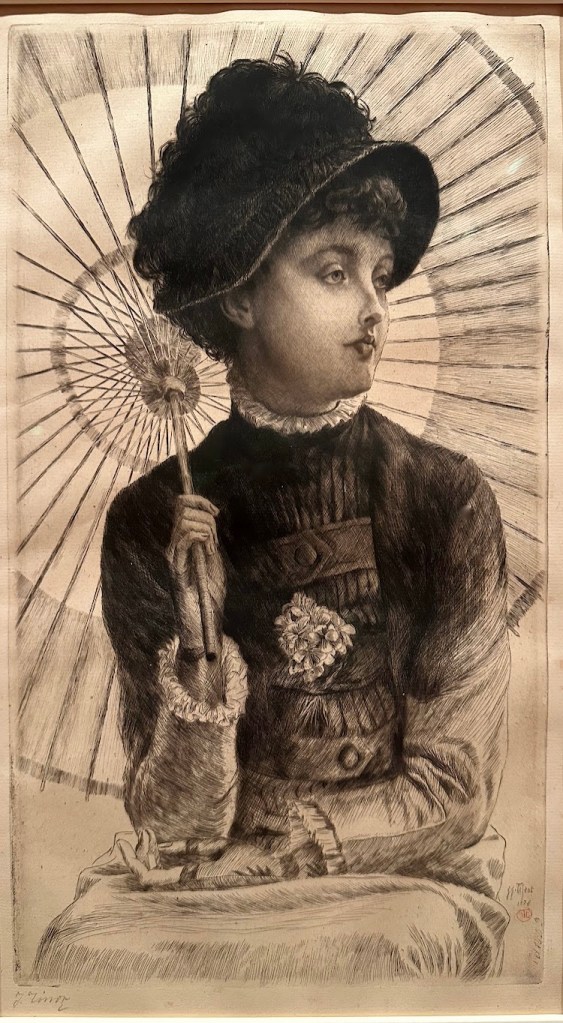
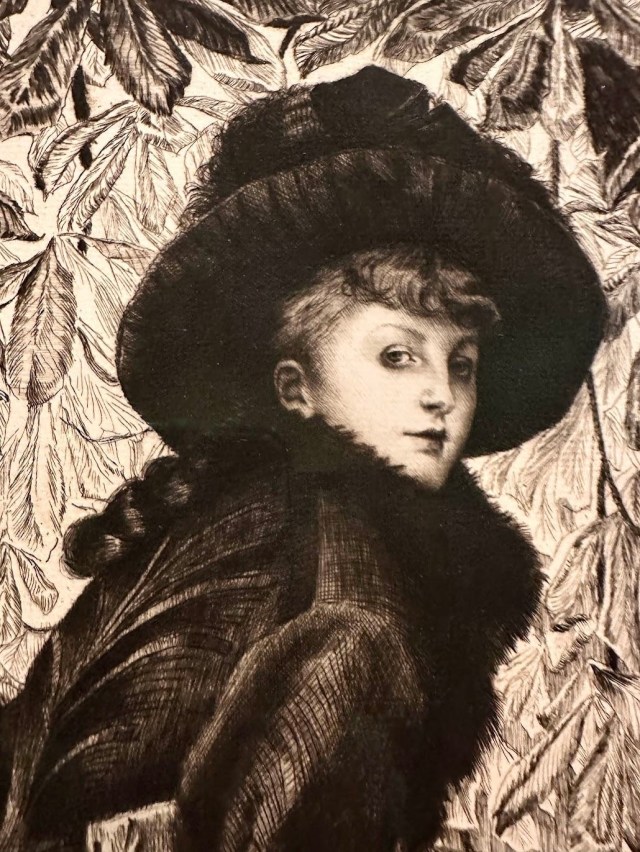
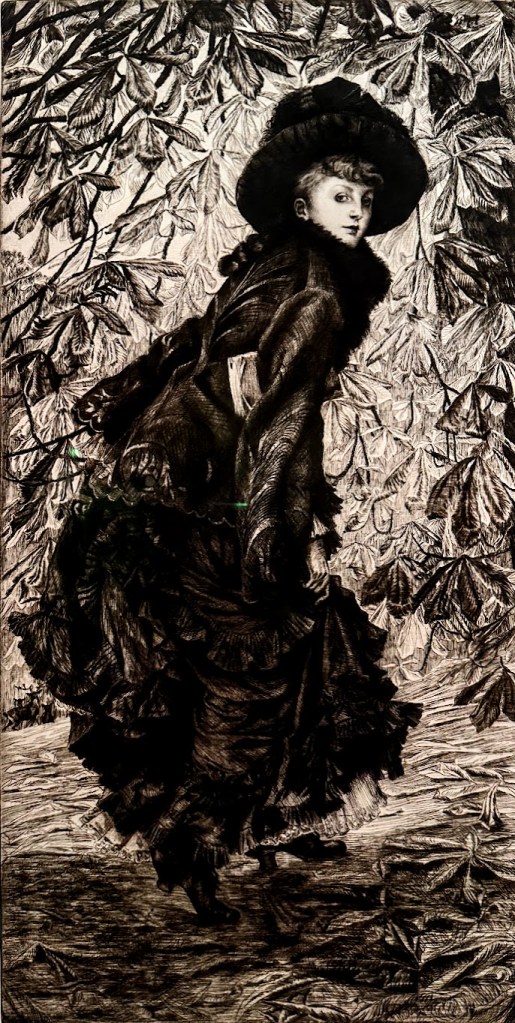
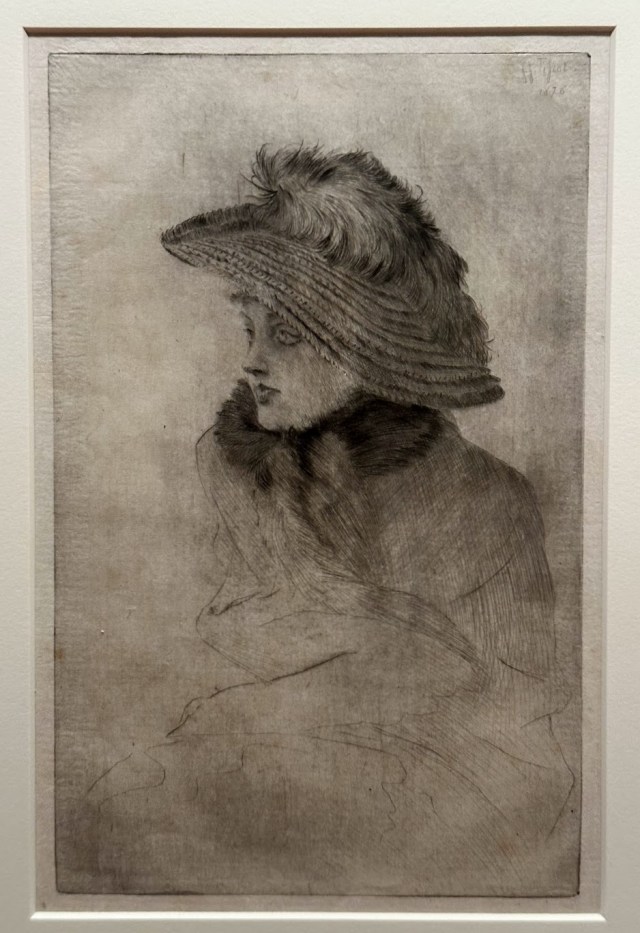
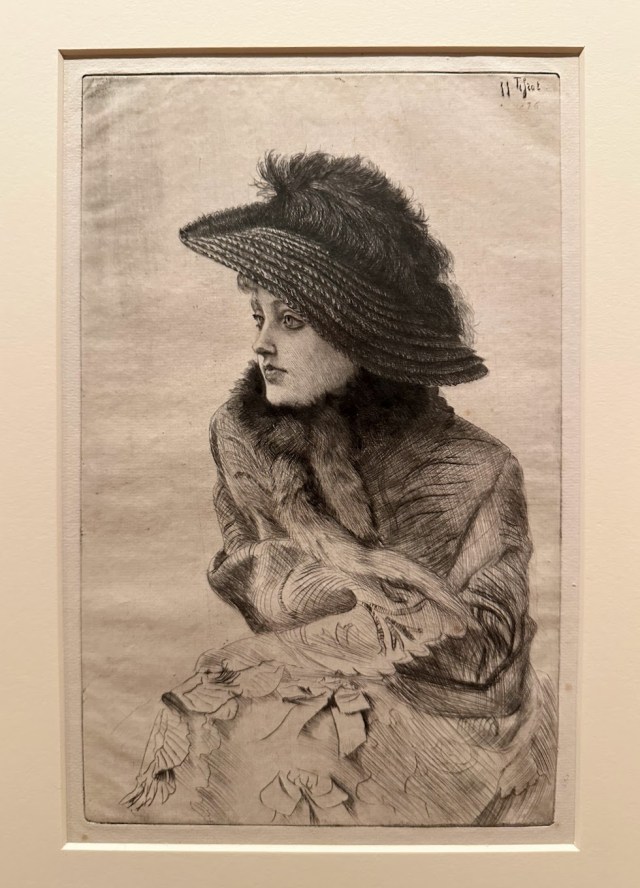
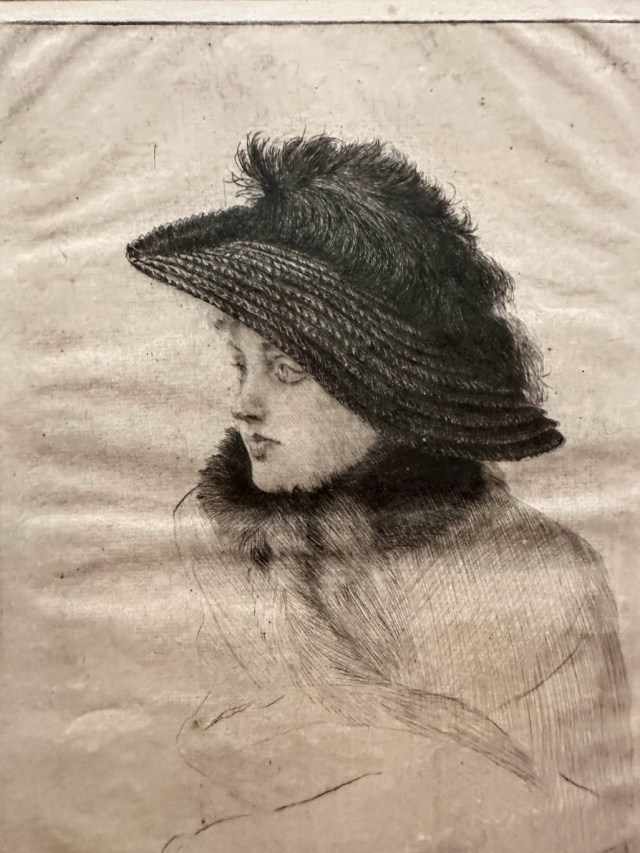
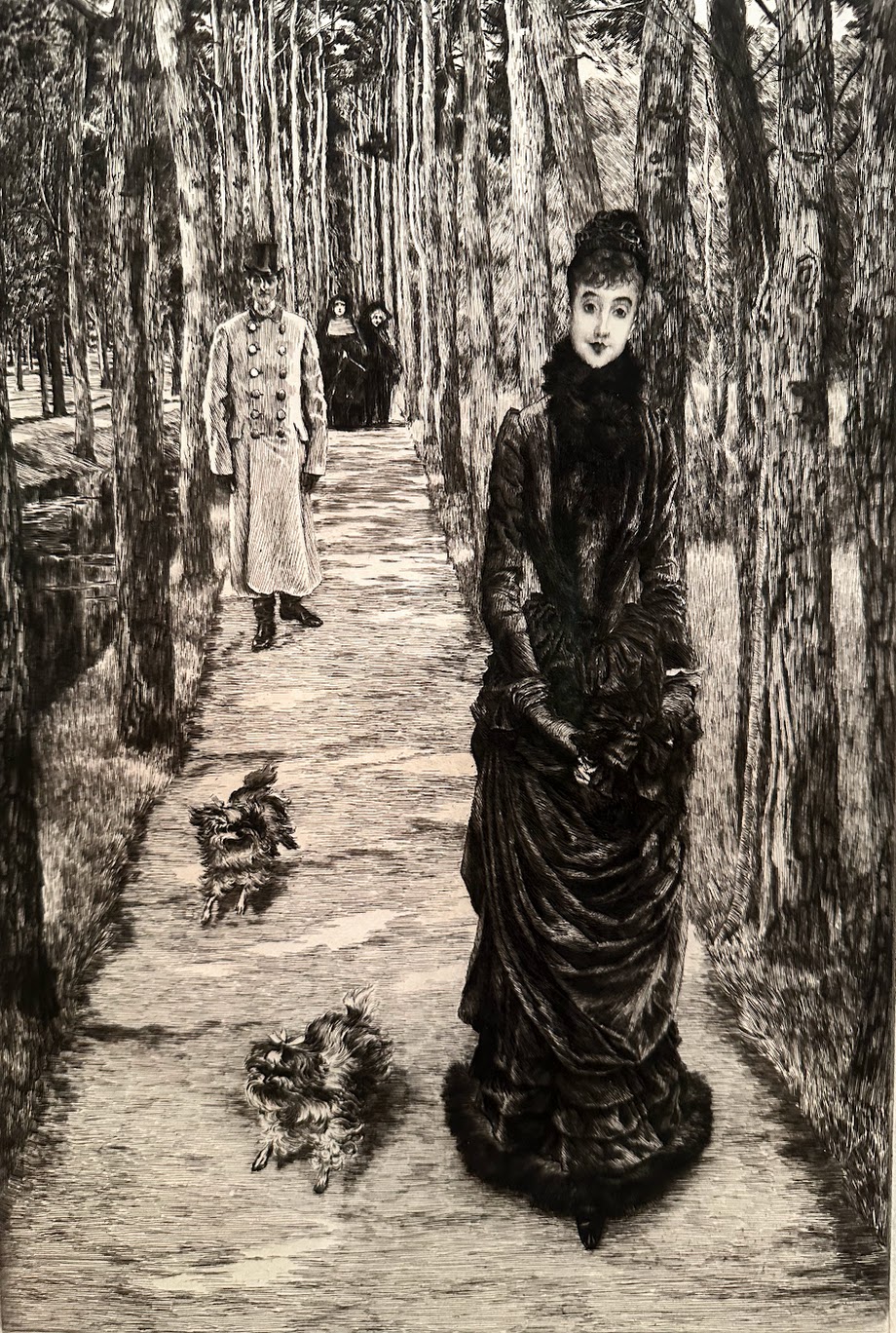
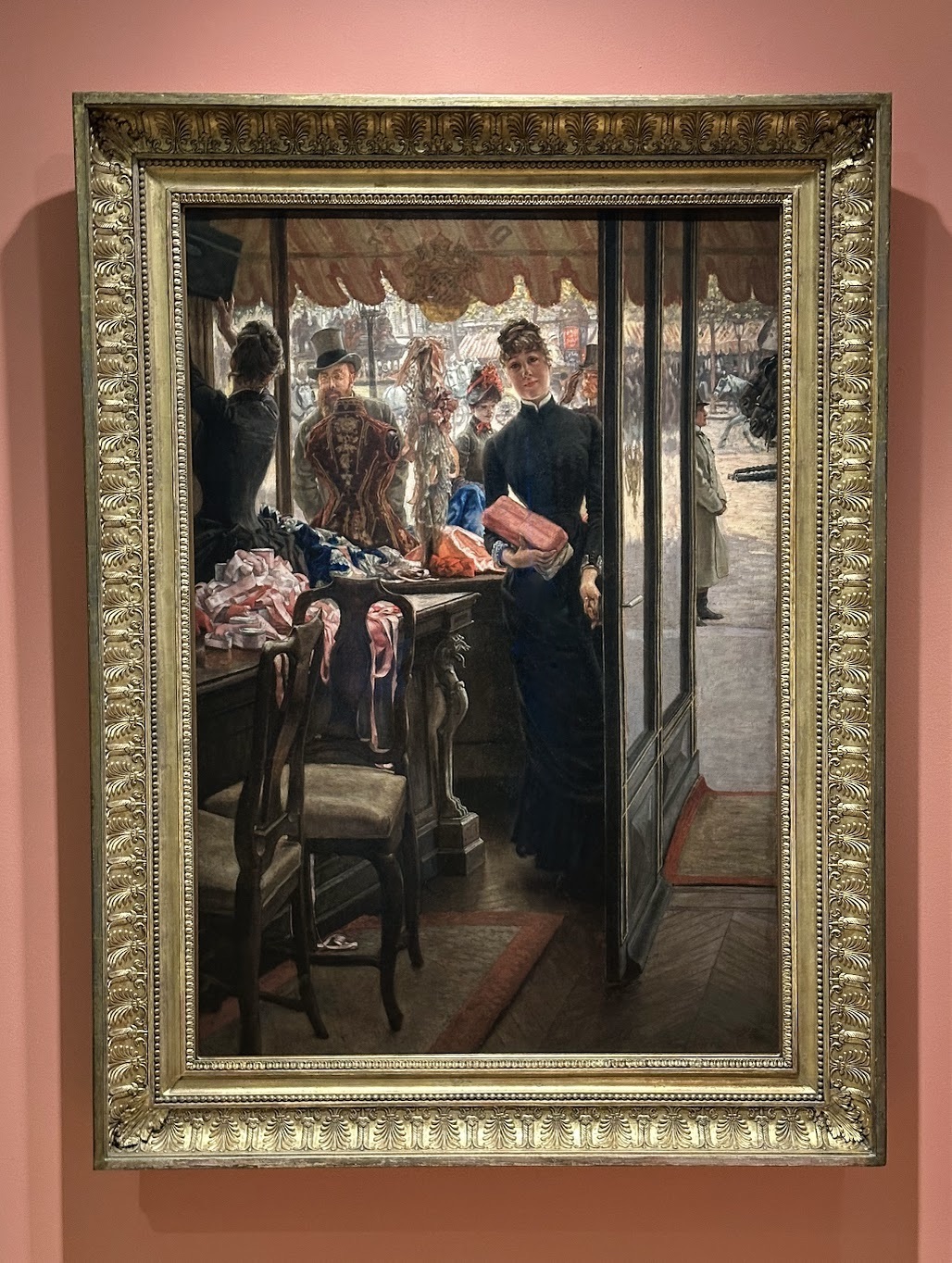
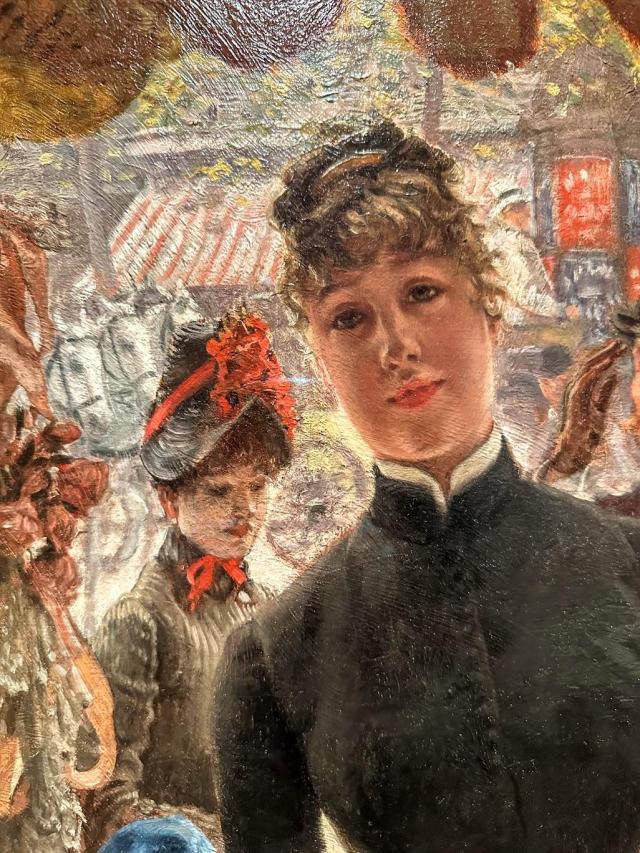
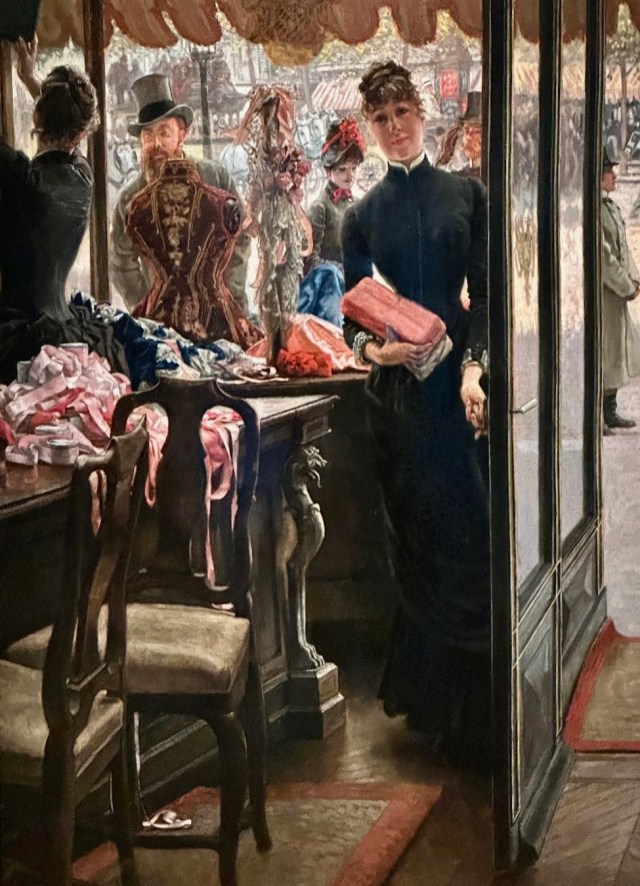
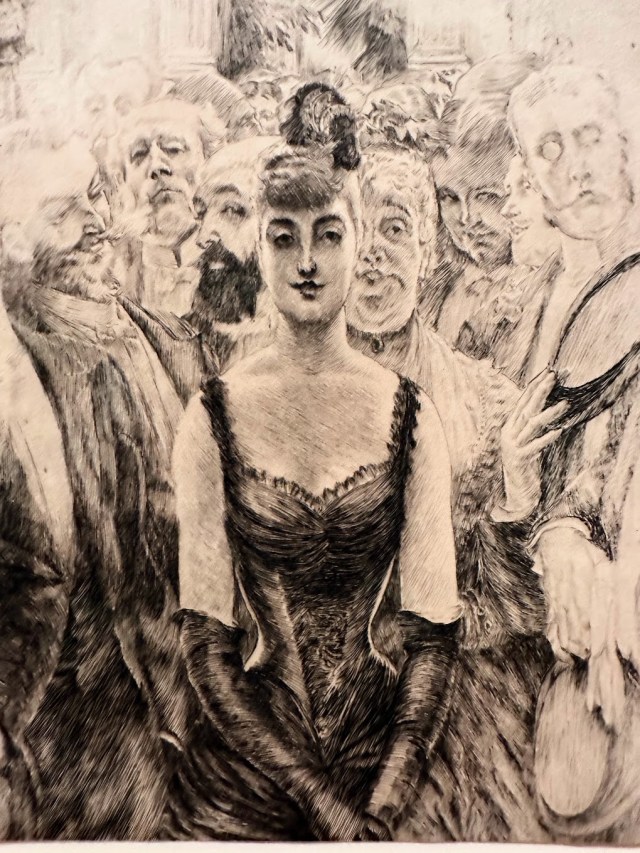
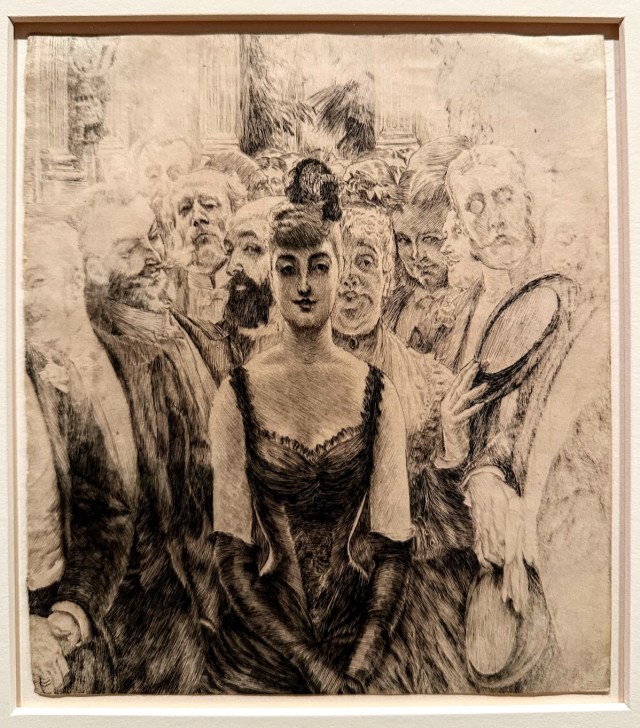
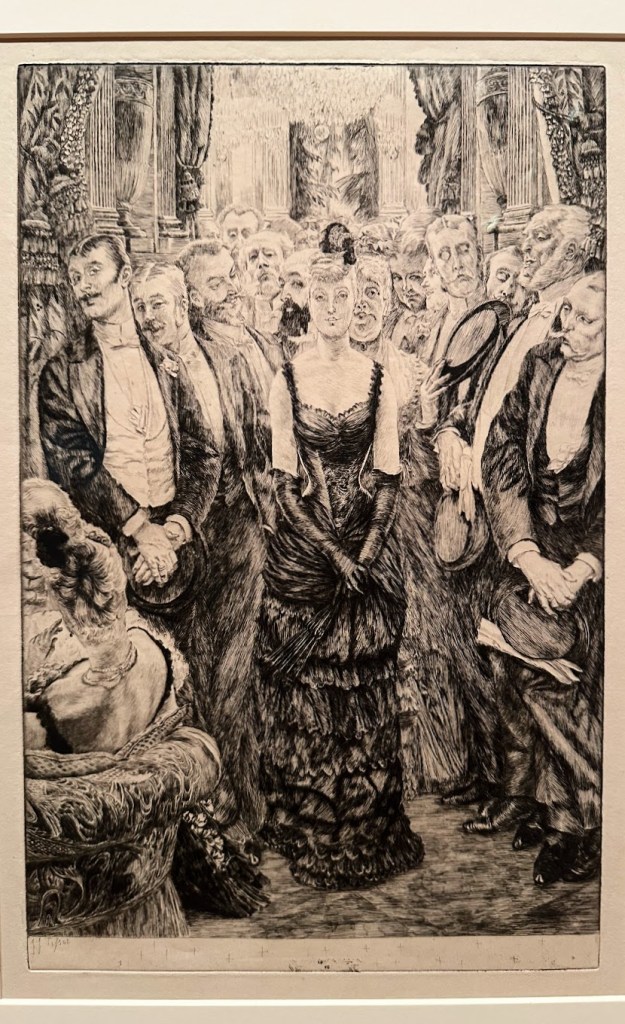
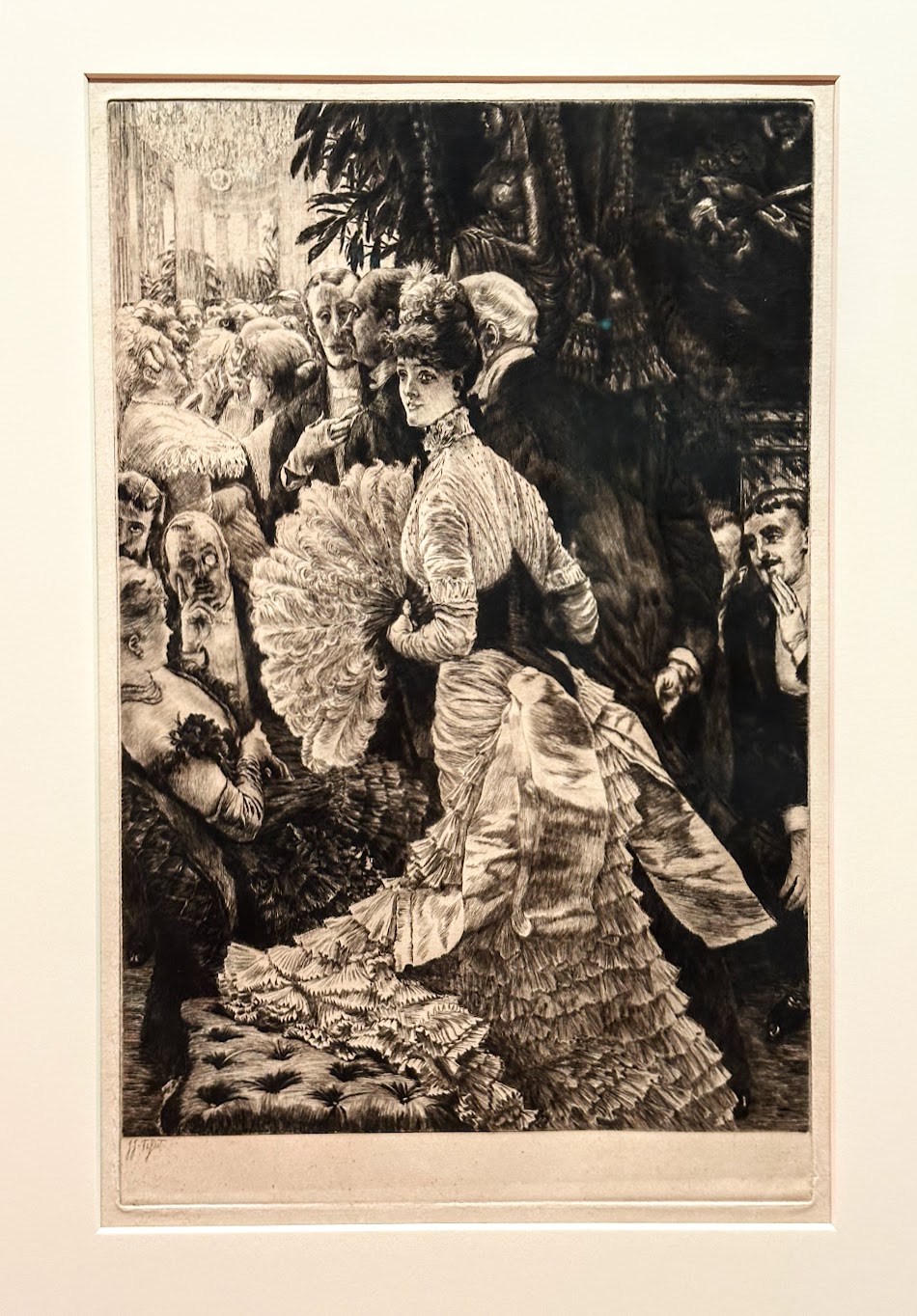
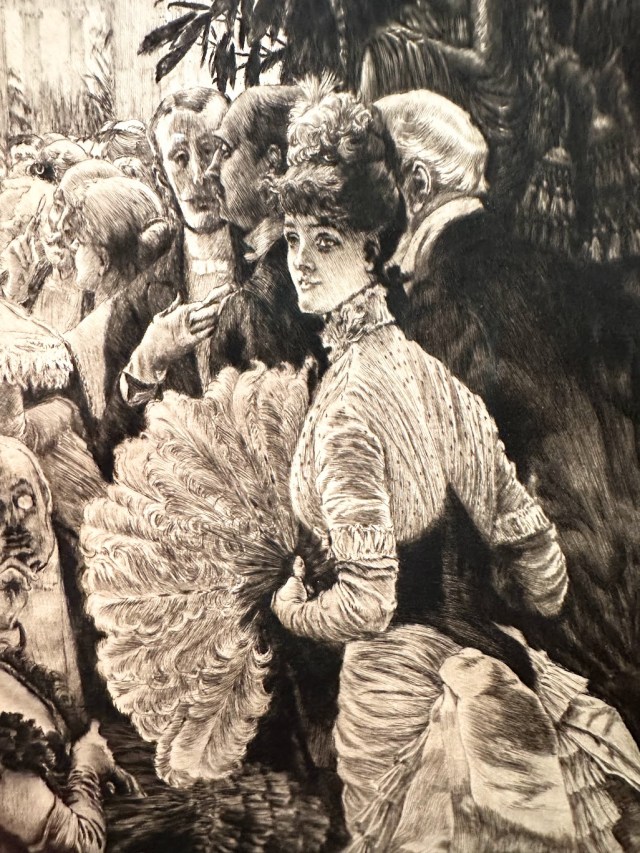
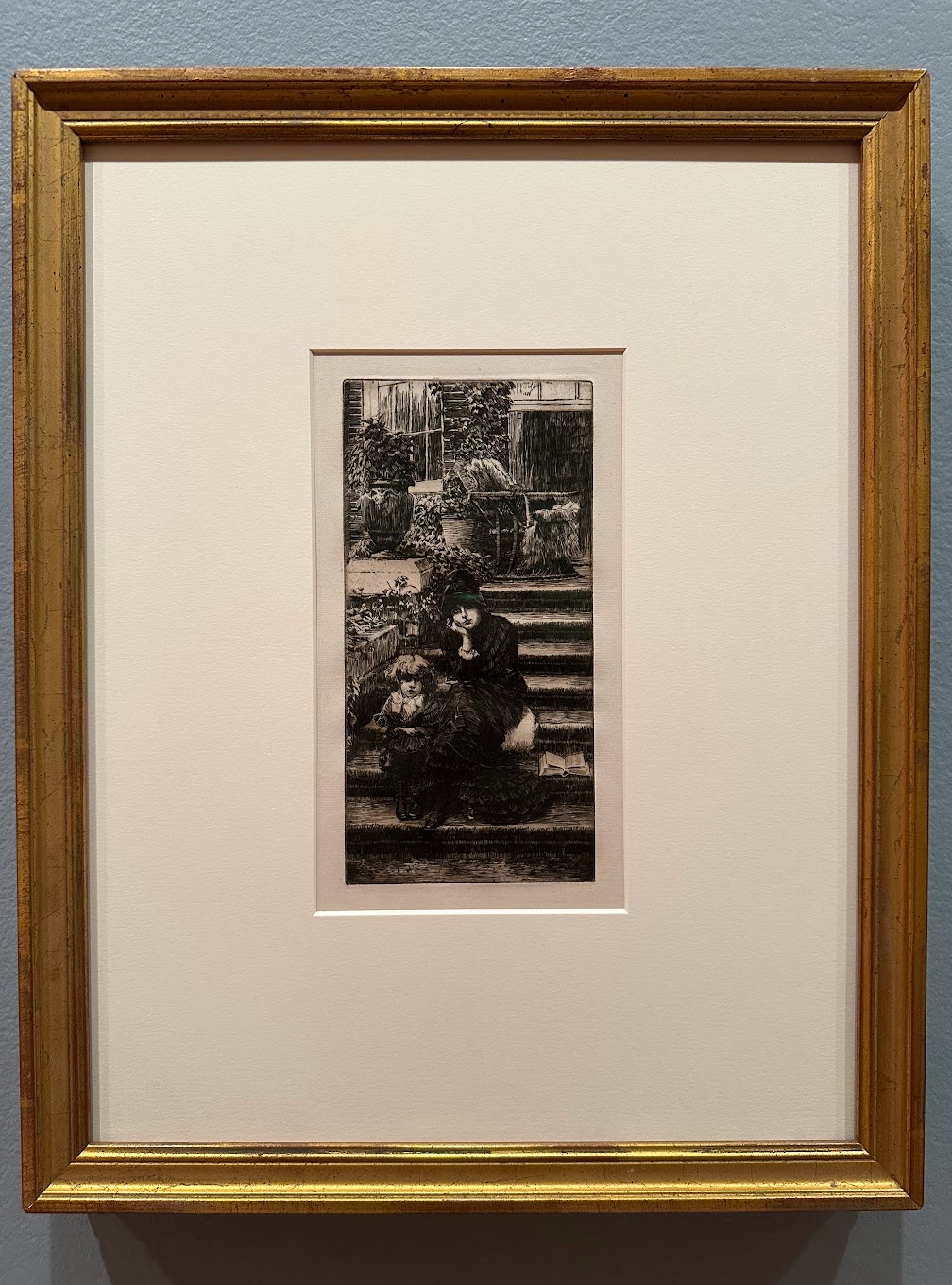
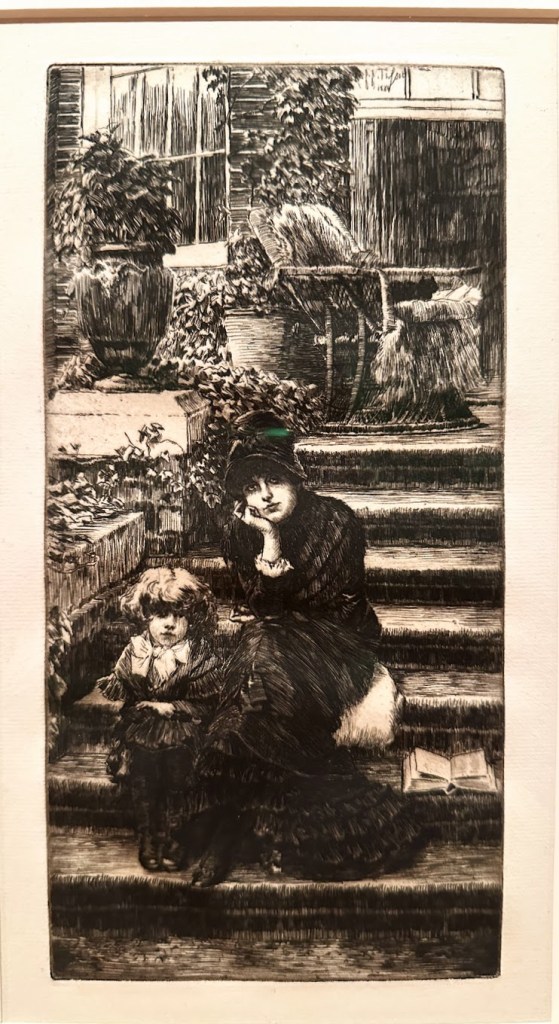
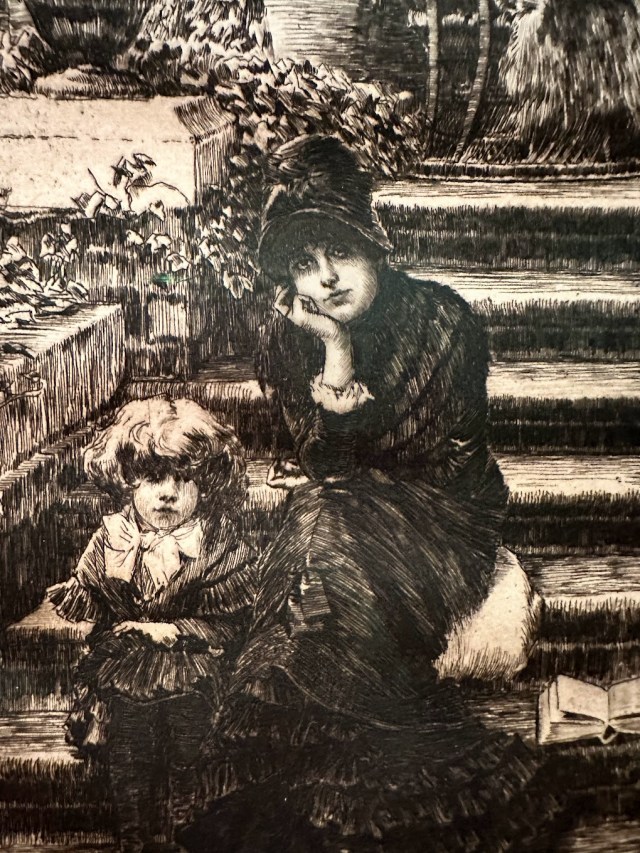
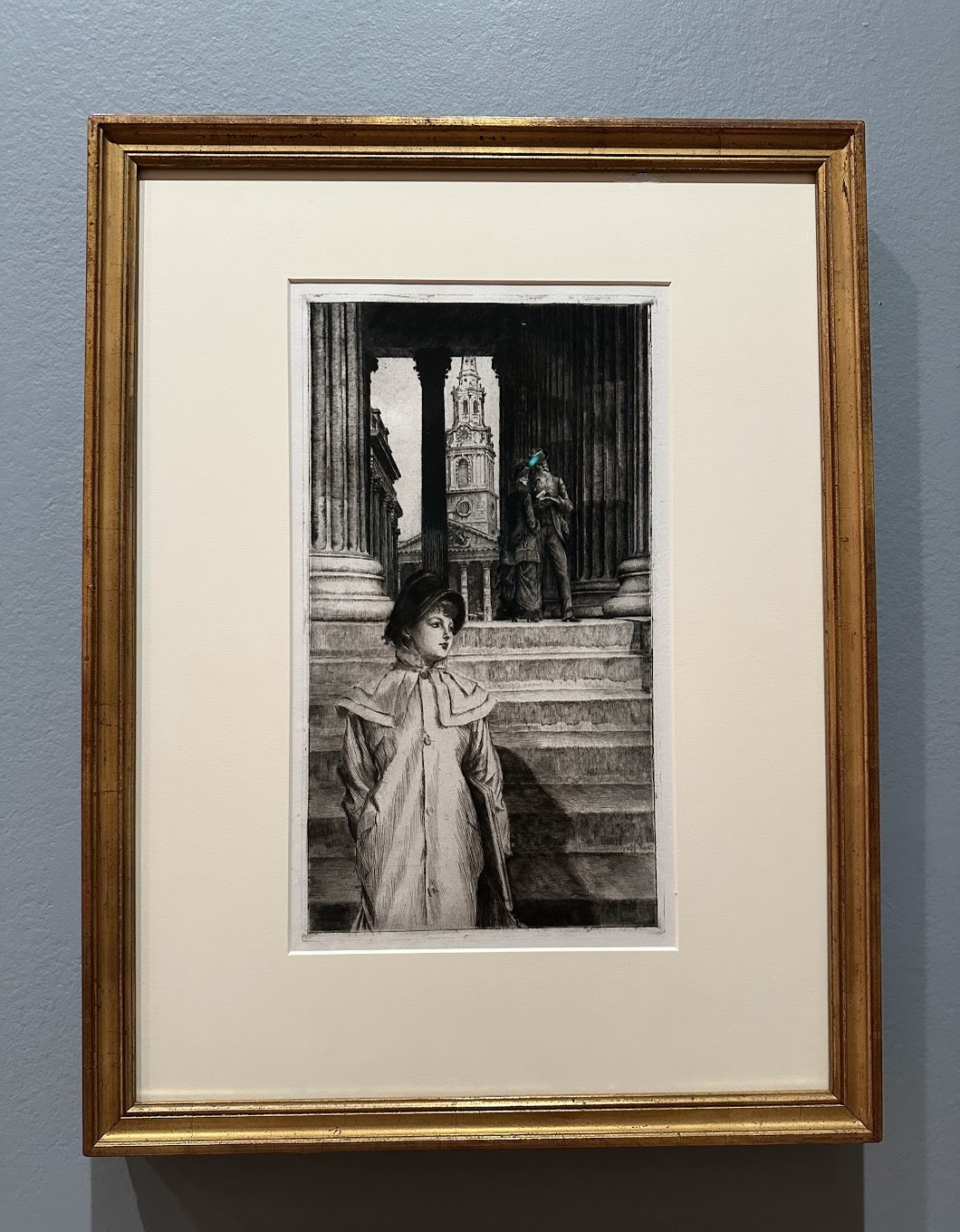
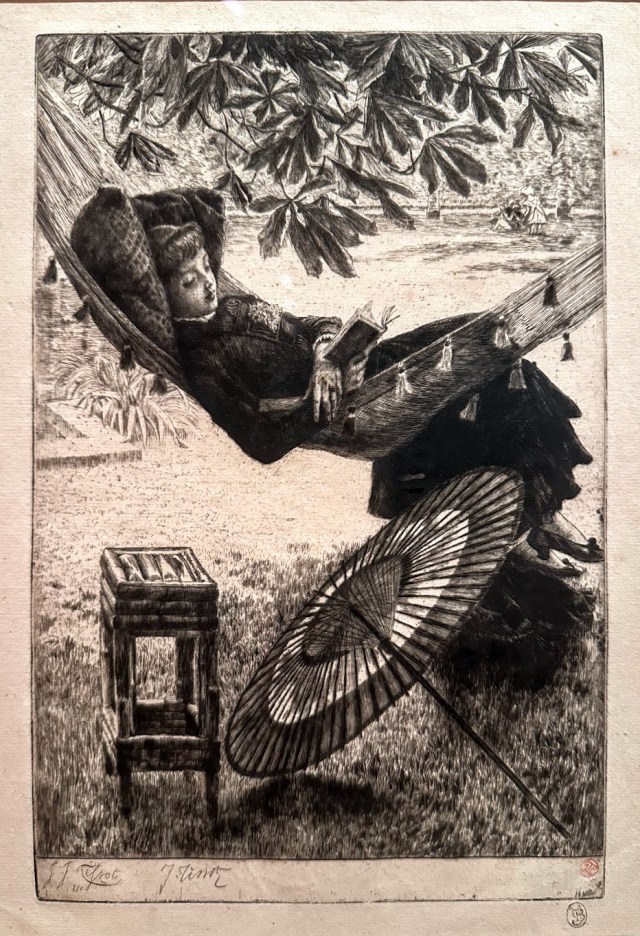
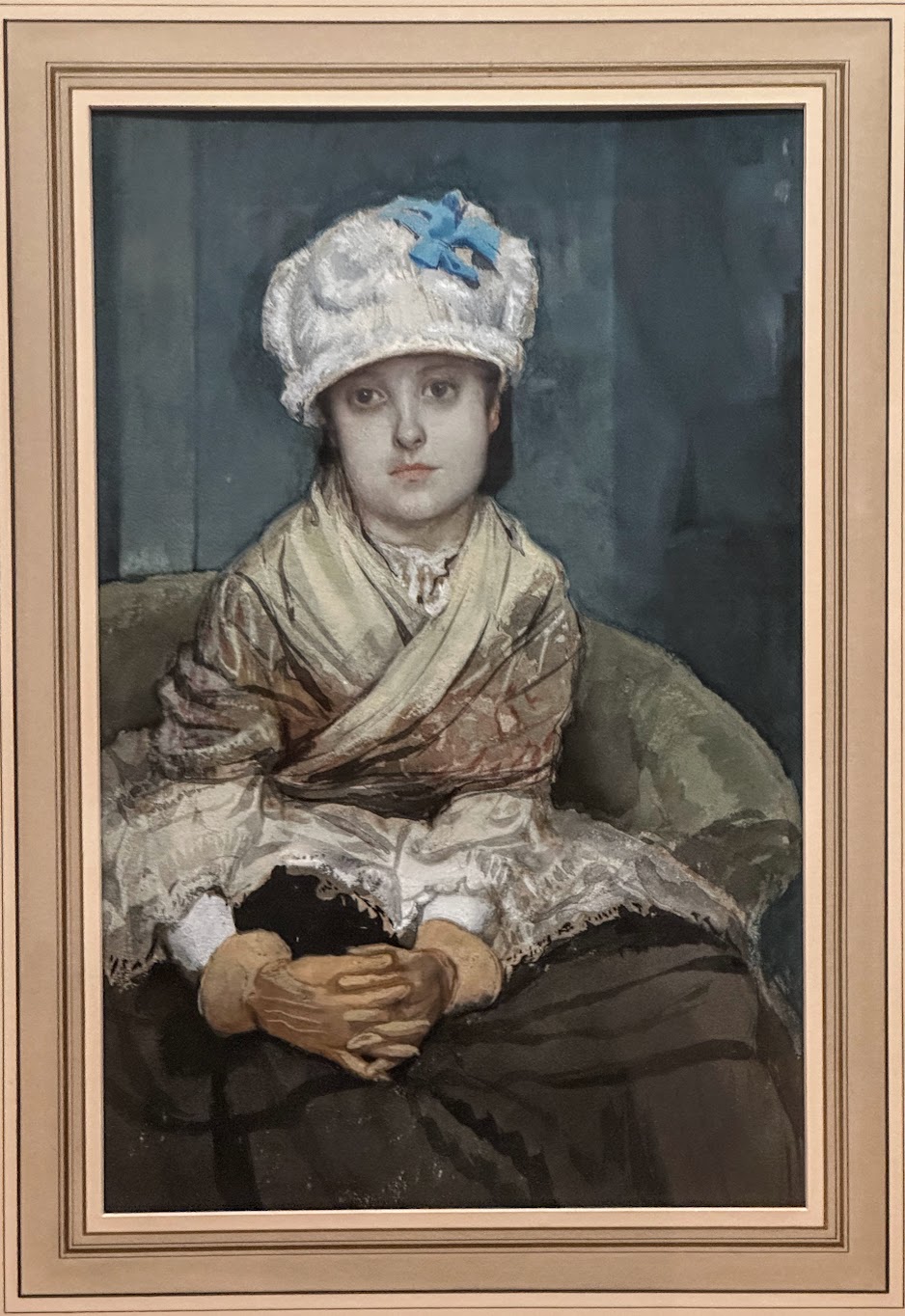
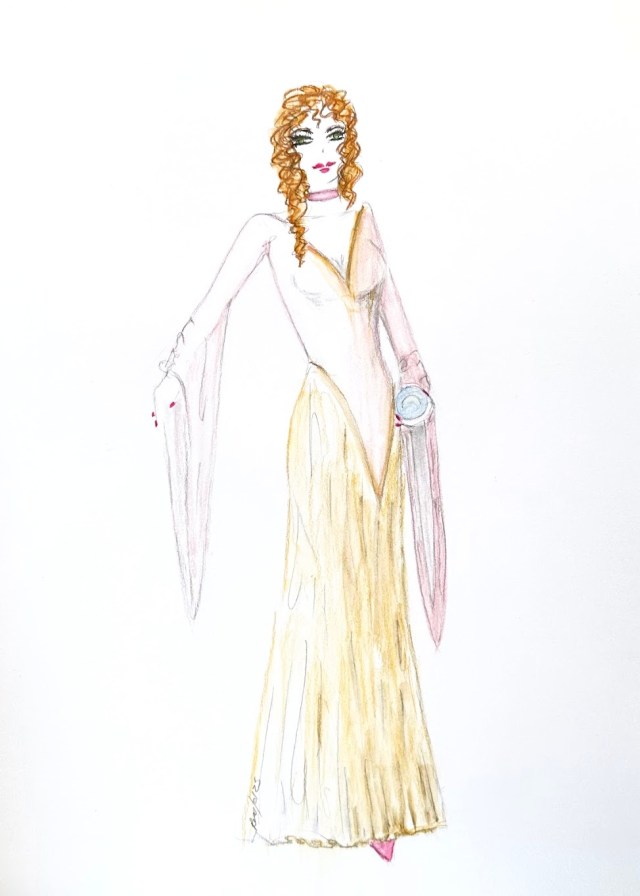
Inspired by Tissot’s fashion prints of the era, Art Gowns has designed its own gowns, and gone back in time to show them off. Made possible by Venus and the moon, we went through the the Tangle-Heart and moved backwards 137 years.

Rebecca, the first to land in 1888, went about setting up a fashion show at Le Chat Noir. Her palazzo pants, carefully hidden by the period’s draping fabrics, allowed her to move around without arousing suspicion.

The venue was a one night extravaganza at La Chat Noir in the Montmartre district of Paris.
Thought to be the first modern night club, it was opened on 18 November 1881 and closed in 1897.
NOW, Here’s Rebecca!
Thank you, Rene! We have a thrilling show tonight, so let me get right at it, and present les beaux modèles de la Belle Époque!
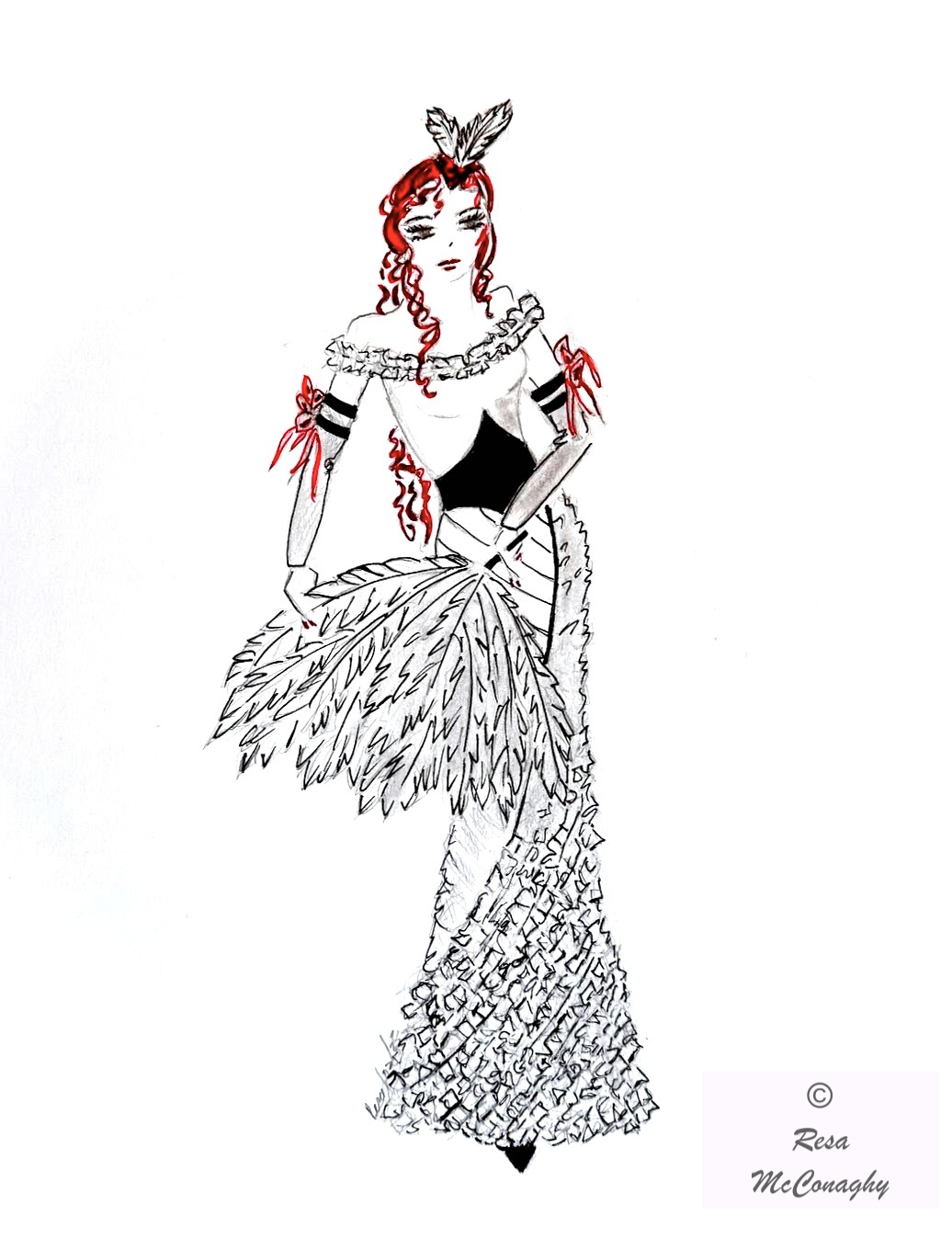
First out on the stage is Modèle de Robes d’Art, Shey. Shey is dressed for afternoon tea or “gouter” as known in Paris. Her fan’s print is inspired by the new Japanese aesthetics.

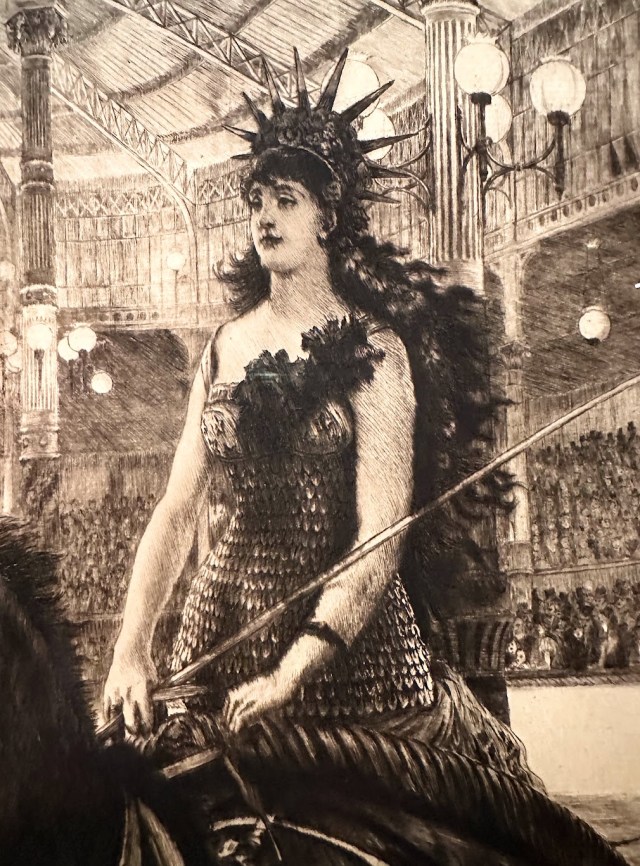
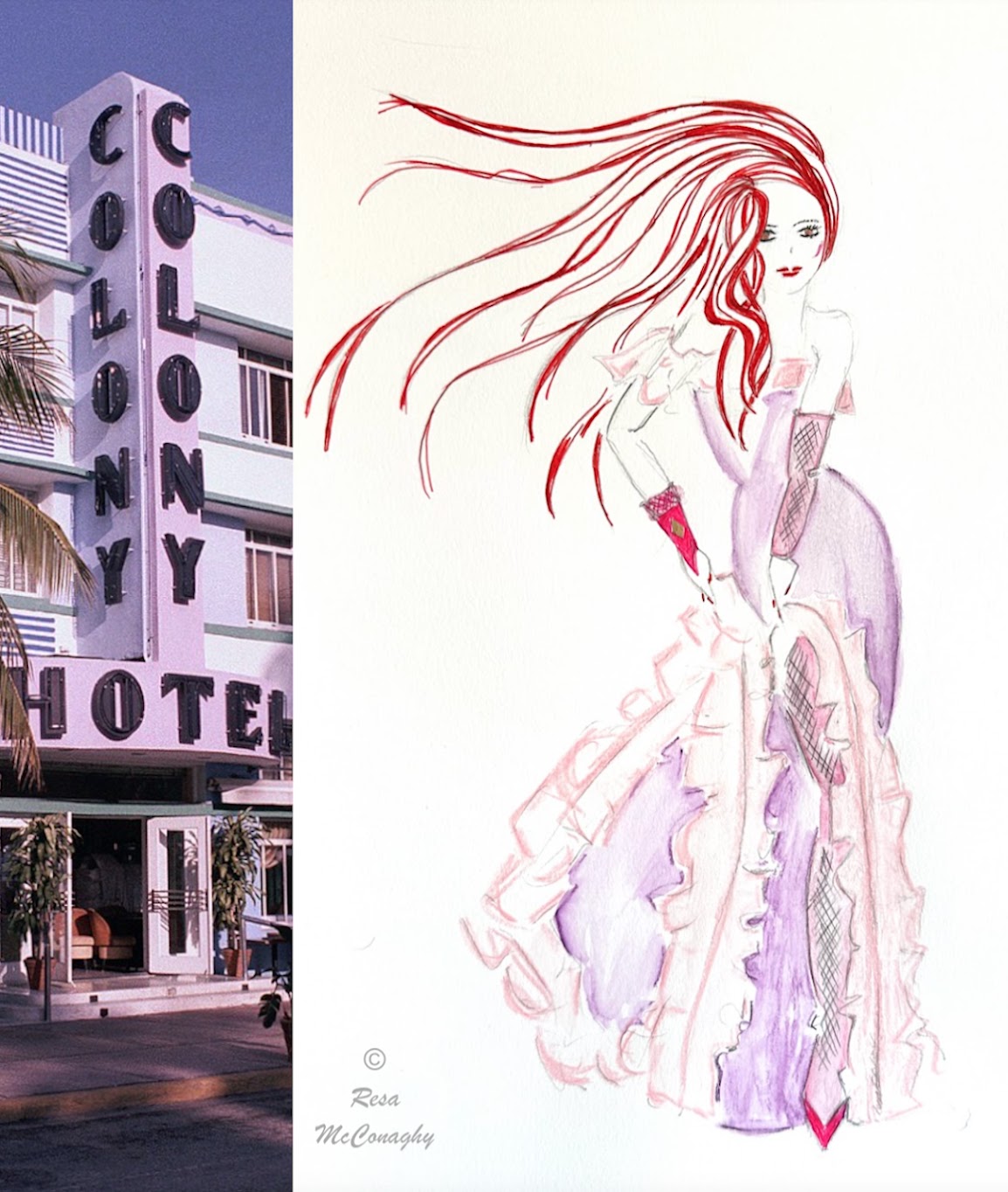
Next out is Gigi dressed for a night at the theare! Her asymetric ruffles play second fiddle only to her Statue of Liberty inspired diadème.
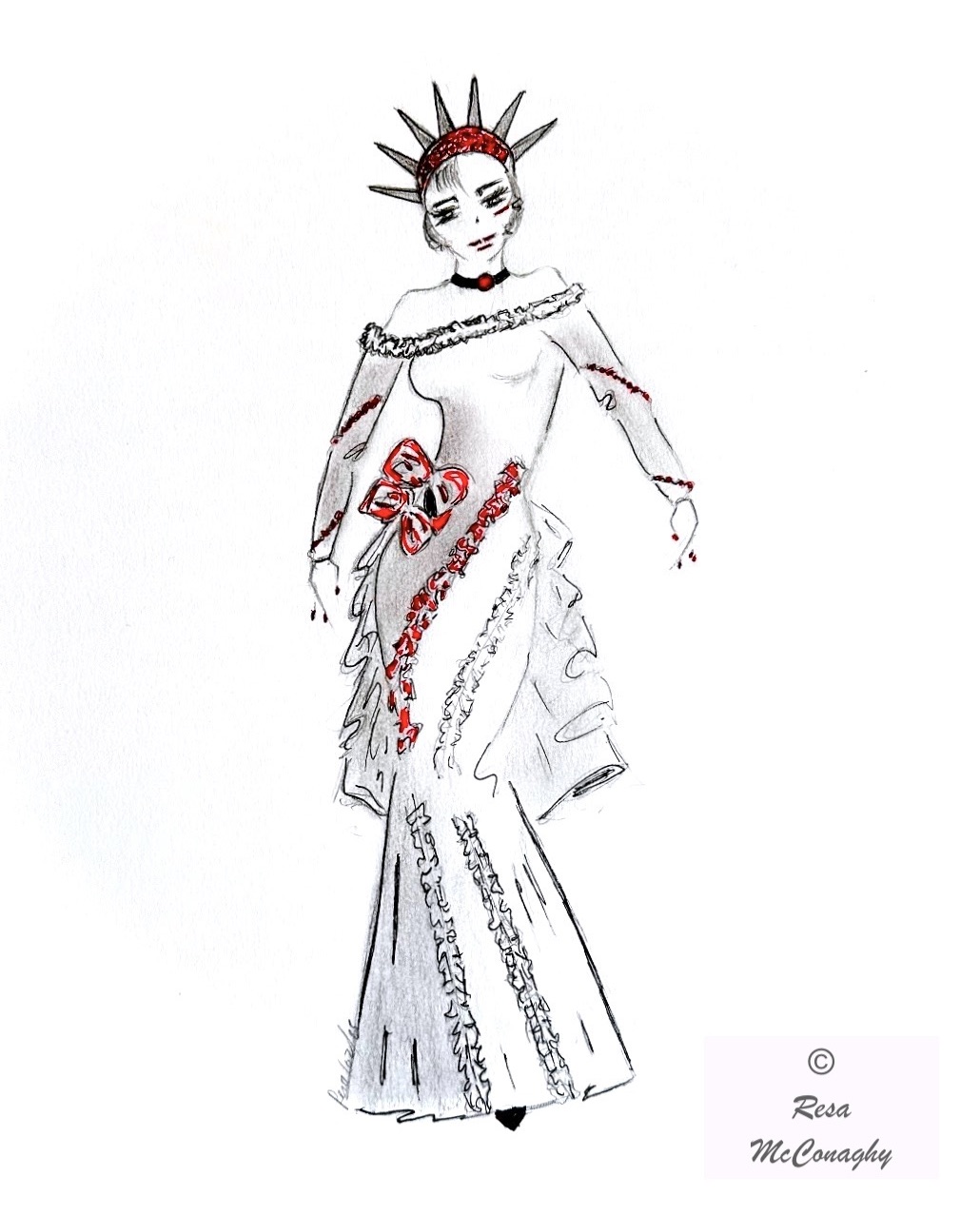
Now, back from her gown change is Mademoiselle Rene with a very Special announcement!

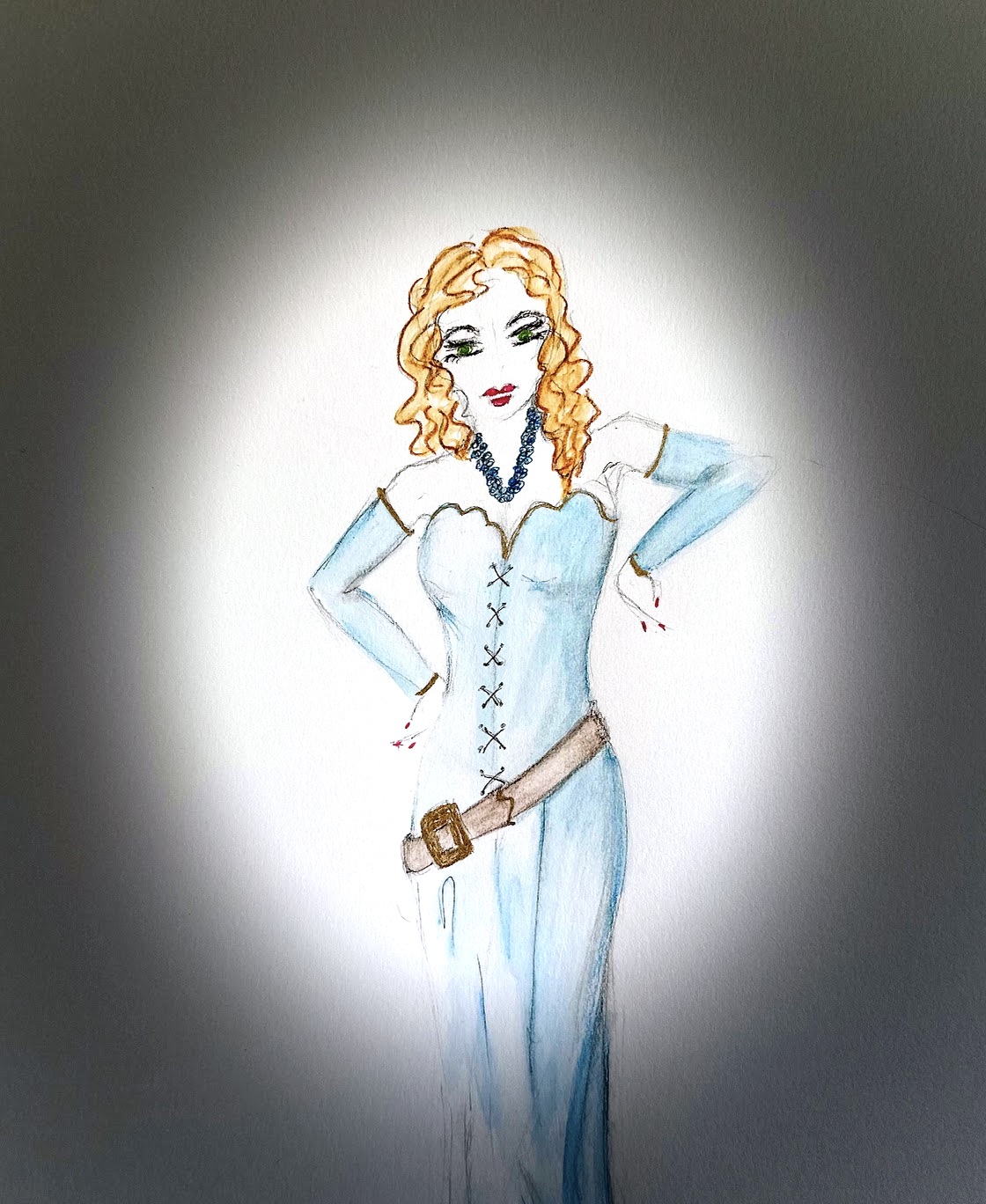
Thank you, Rebecca! Mes Chéris, all of us at Art Gowns put our design hats on and created a special La Belle Époque Super Hero outfit for Princess Blue Holly. Art Gowns presents:
Princess Blue Holly in la Belle Époque Super Hero Outfit
What an honour! Thank you to all! This is a momentous outfit! I love the boots, and they only take a half hour each to button up.

It must have been very difficult to be a female Super Hero in the 1880’s. So much beautiful fabric would make flying a bit of a challenge. Snagging would be an issue and the corsetry is somewhat confining when delivering the martial arts moves.
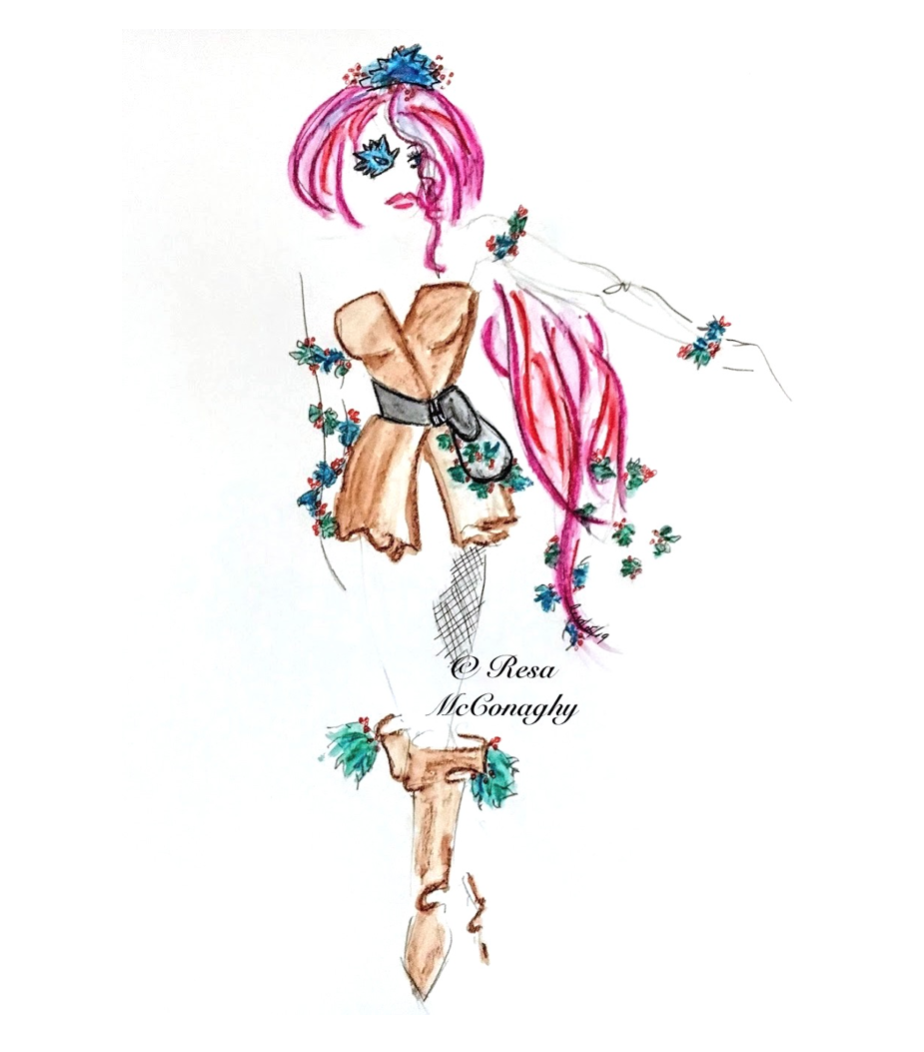
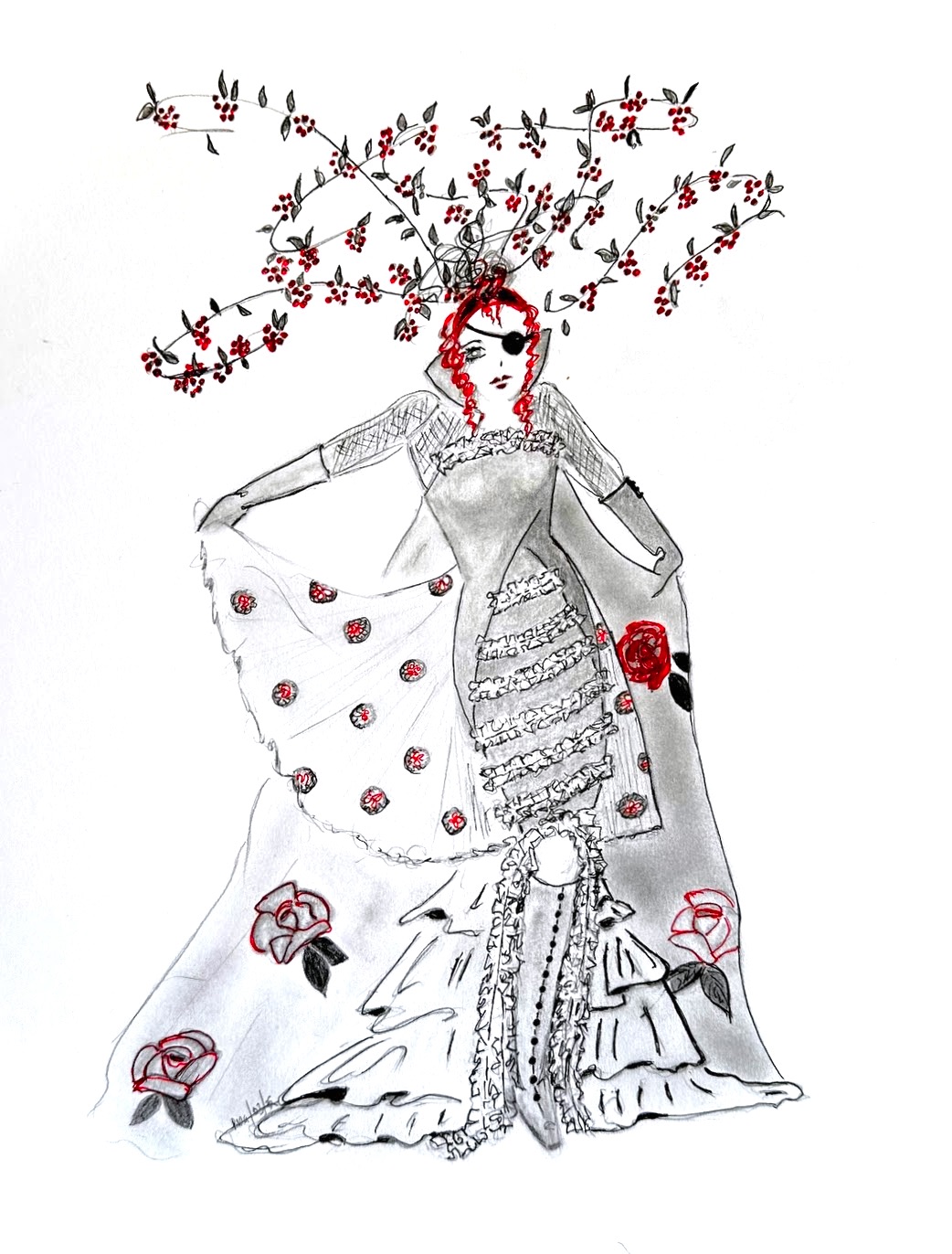
Check out the Freedom difference between 2025 and 1888! ……. aaaand back to Rebecca!
Thank you Princess Blue Holly! You look simply marvellous. That is one special outfit.
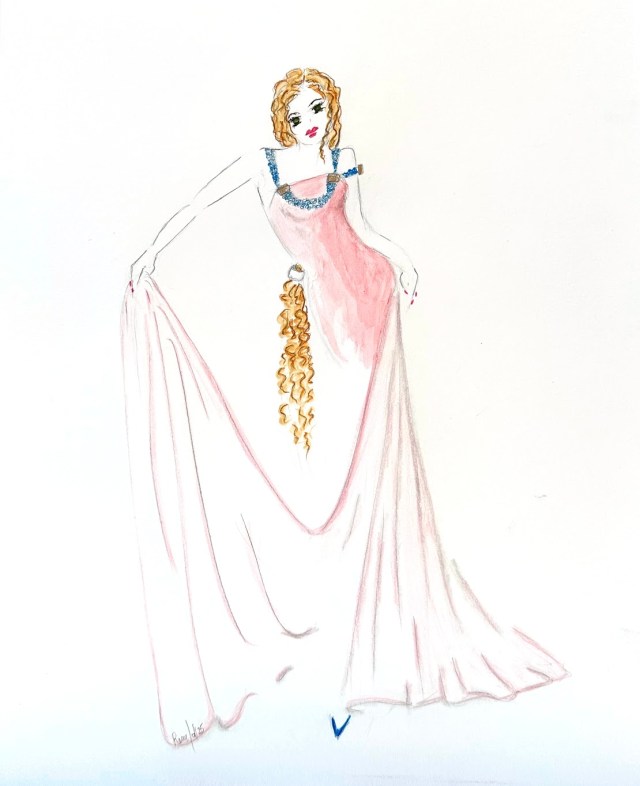
Perfect for taking the carriage to the fashion shops, Dale wears a travelling jacket of pinstripe twill, with brocade fishtail skirt completed with a voile tail under a ruched and layered silk bussel. A dainty reticule is the perfect accessory.

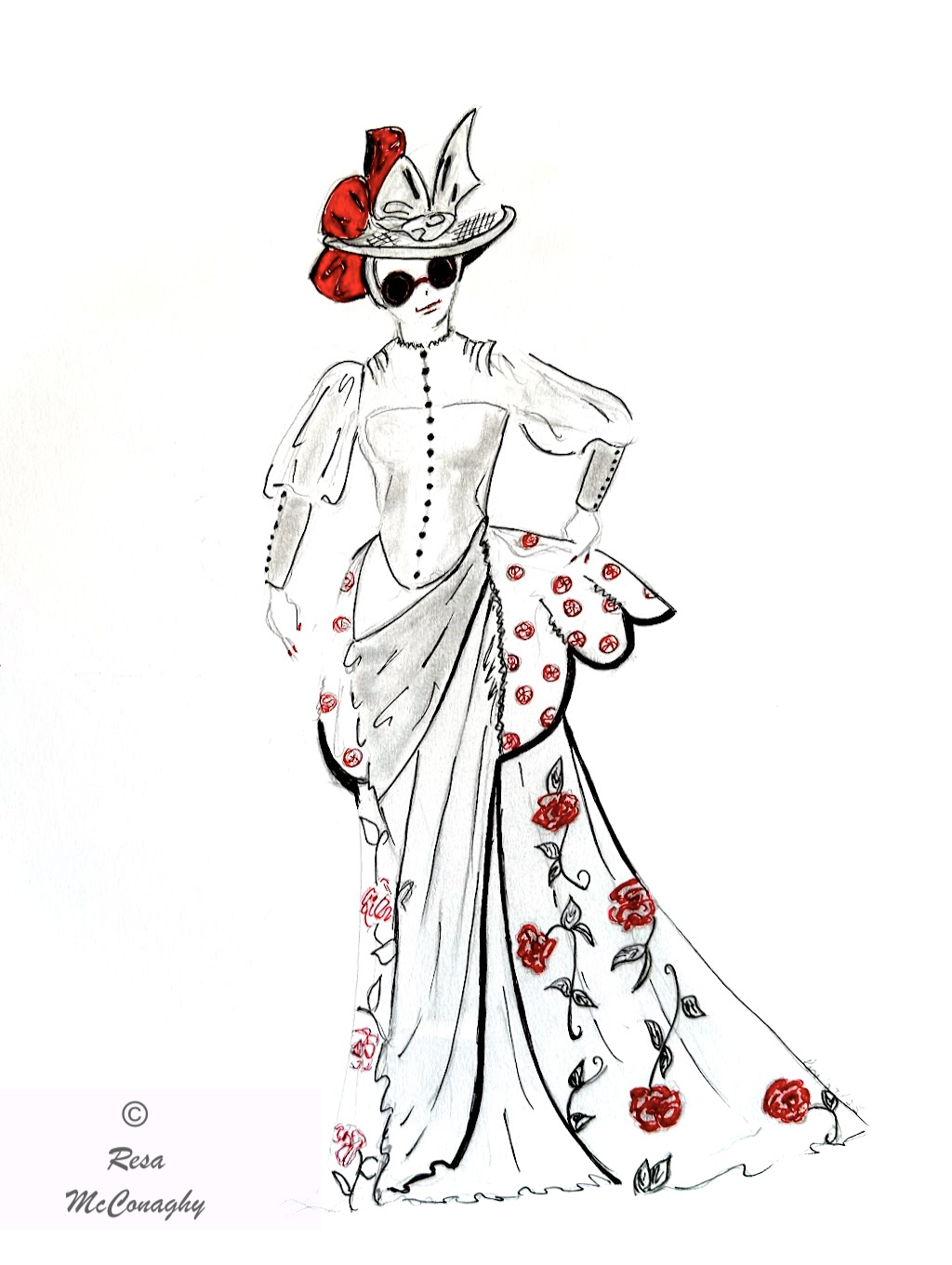
It’s a sunny day and Rene is back in another costume change. This is a miracle considering all the buttons she had to do up, as the zipper was not invented until 1917. She is off to the museum with a rose detail parasol and rose reticule.

It’s “dinner at eight” and the opera for Modèle de Robes d’Art, Marina. A rose print corset top with a panière effect from the waist to hips is a lovely accentuation to the fitted fishtail skirt.
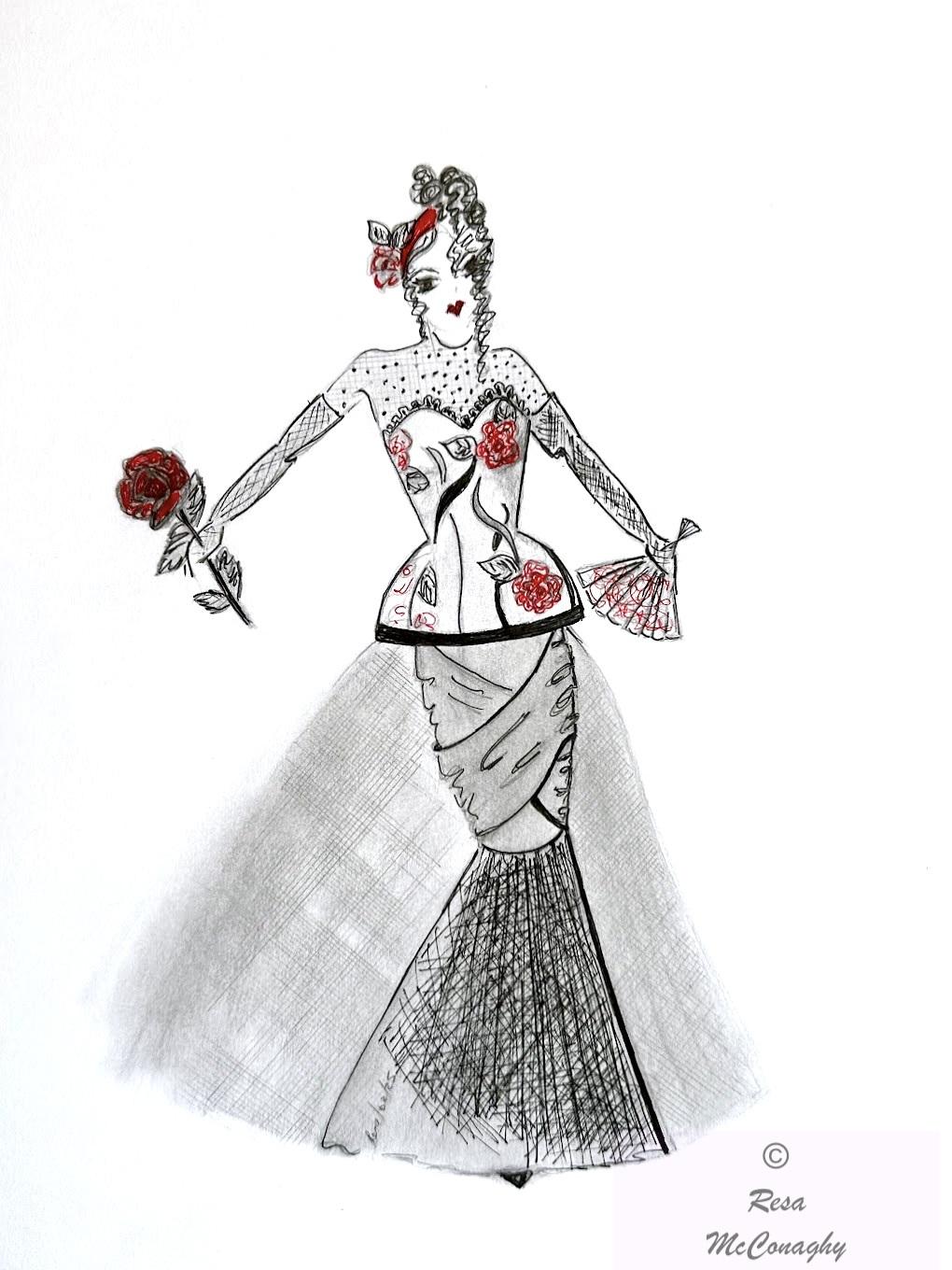
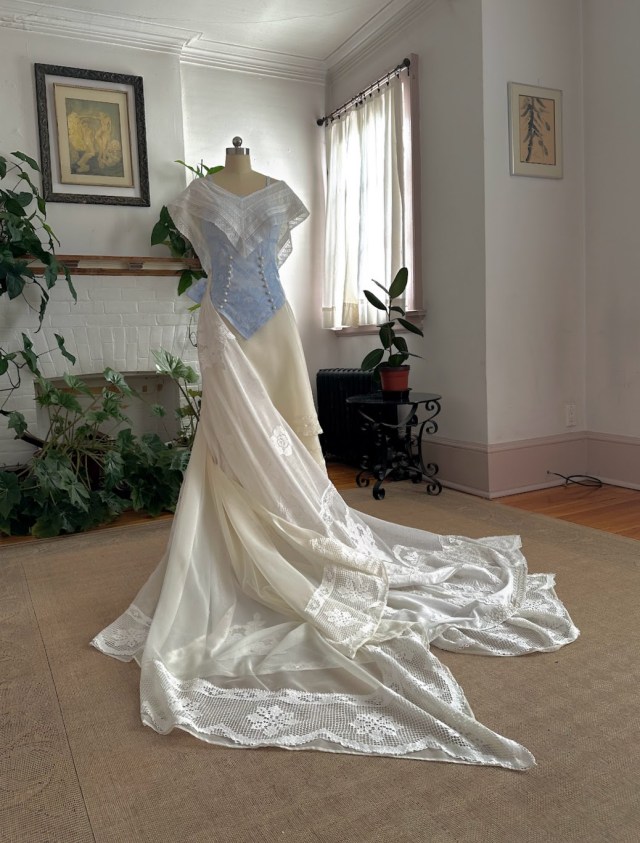
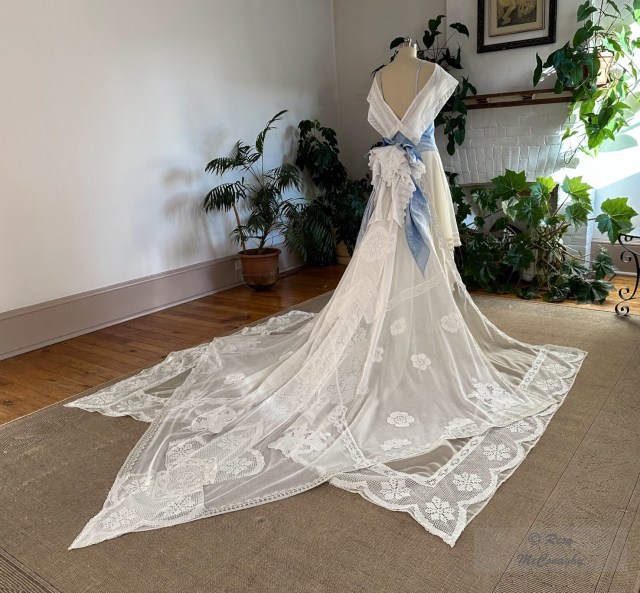
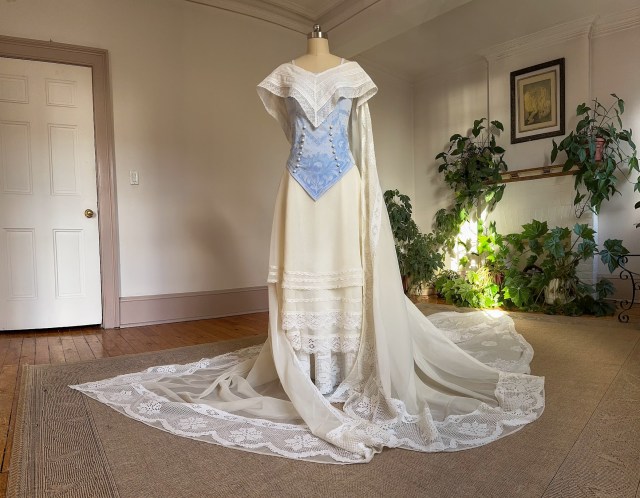
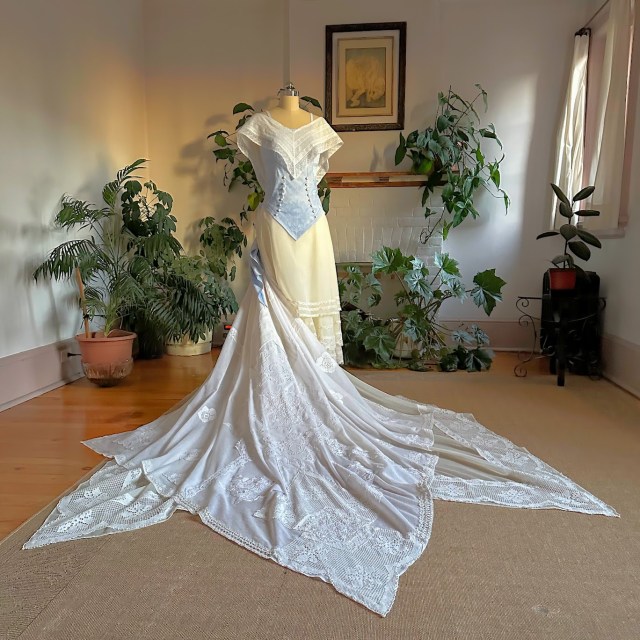
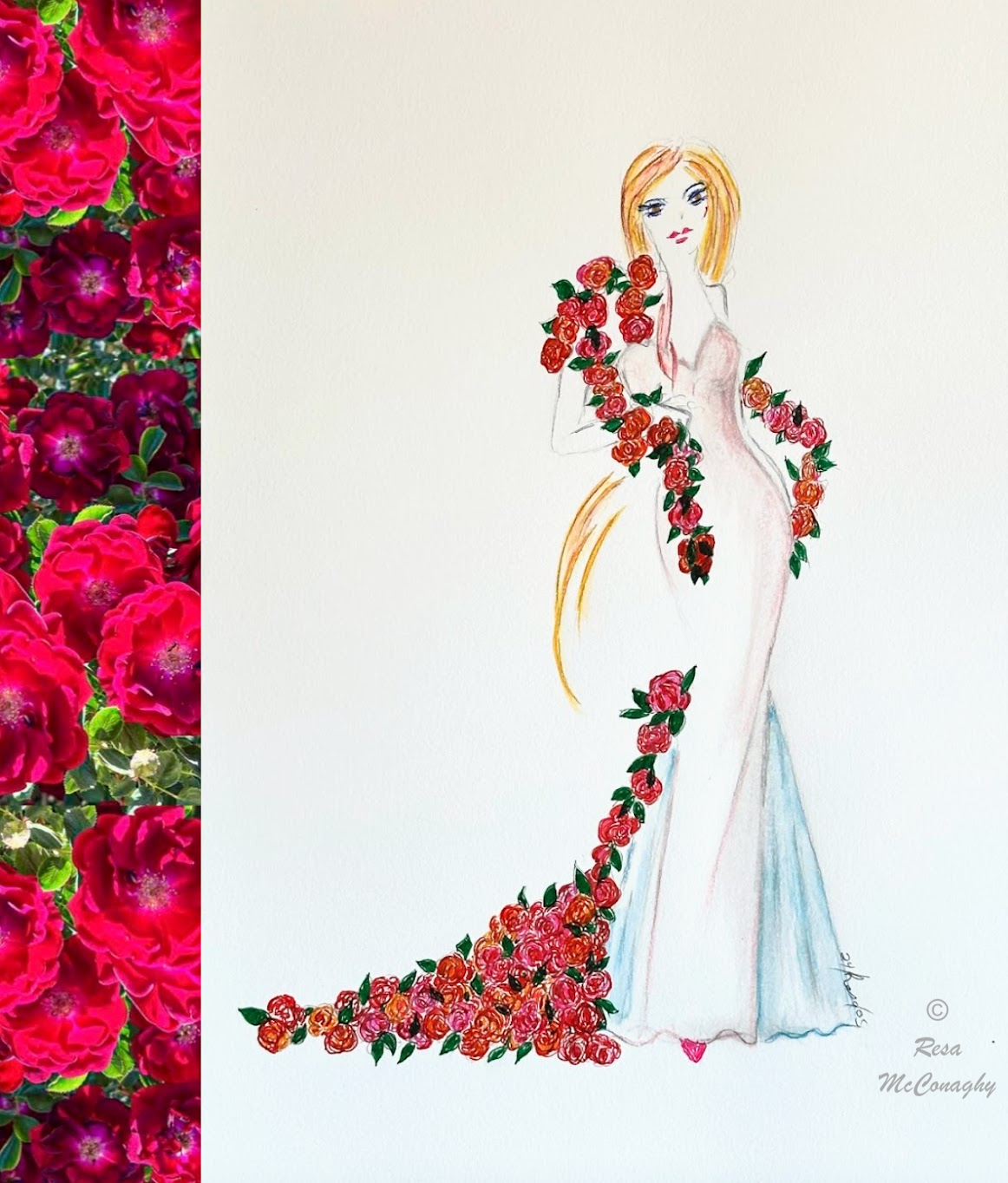
Holly is off to a fancy party in white silk with red ruffle corset top and a skirt of silk Swiss dot. A lush red bow sets off the rose detailed bussel and tail with ruffles on the inside and out.

I’m sad to say the show has come to an end, buts let’s hear it for Mademoiselle Rene, who shall bid you adieu.

Mes Chéris, bon soir! We hate to leave, but it’s time to return to the future! Please enjoy Arabesque No.1 by Claude Debussy, while the beaux modèles de la Belle Époque make their departures.
No one saw when the AGM’s made their way back through the Tangle-Heart as contrails. All landed safely in the Bosque by Tim’s.


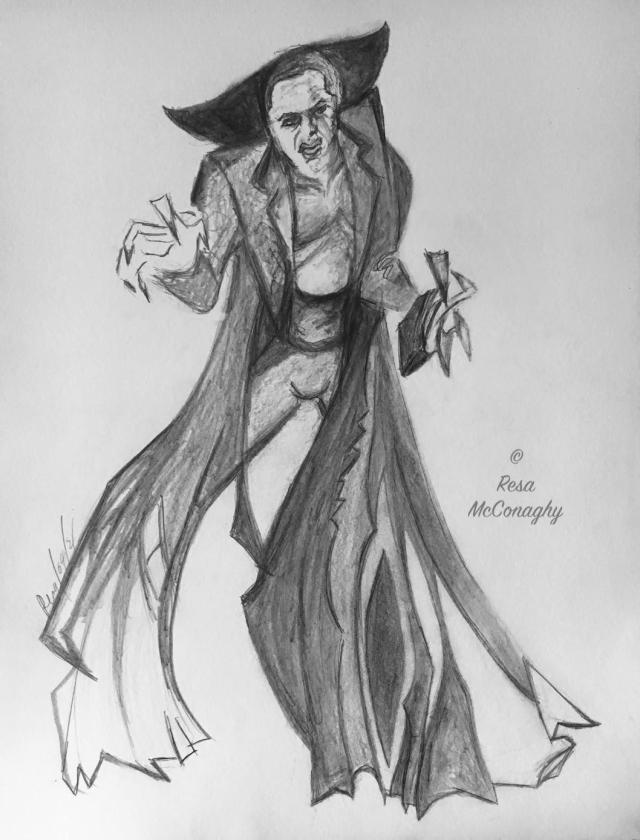
However, as Rene began her journey to the future she encountered a strange energy.

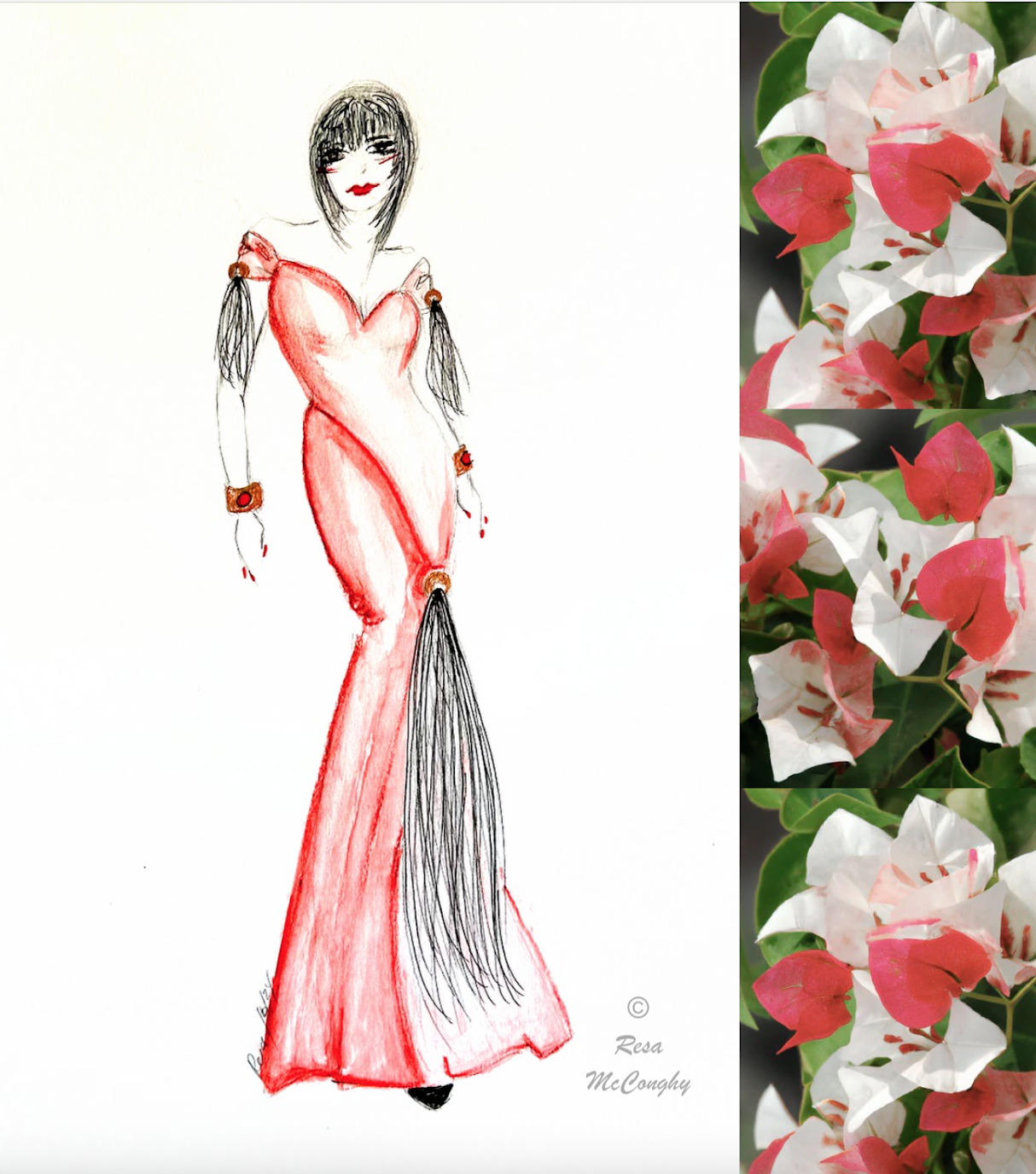
She landed back at Tim’s in Rebecca’s Black Bamboo, but she wasn’t herself, nor all there.

No one was worried! All were sure Princess Blue Holly would save her.
However and unfortunately, as you and I know, Rene IS Princess Blue Holly!
Princess Blue Holly & Rene Rosso Character © Resa McConaghy & Holly Rene Hunter
Since 2019

Visit them on their blogs!
Dale – Holly – Gigi – Marina – Shey

Visit Rebecca!


























































 Art Gowns
You must be logged in to post a comment.